
A Sanitary Shield for Paraguayan Livestock
Paraguay is preparing for a new vaccination campaign against foot-and-mouth disease, a crucial initiative that will cover approximately 13 million cattle. This action is essential to preserve the country’s sanitary status and ensure the stability of its livestock sector, one of the most important economic drivers.
A Joint Effort Between the Public and Private Sectors
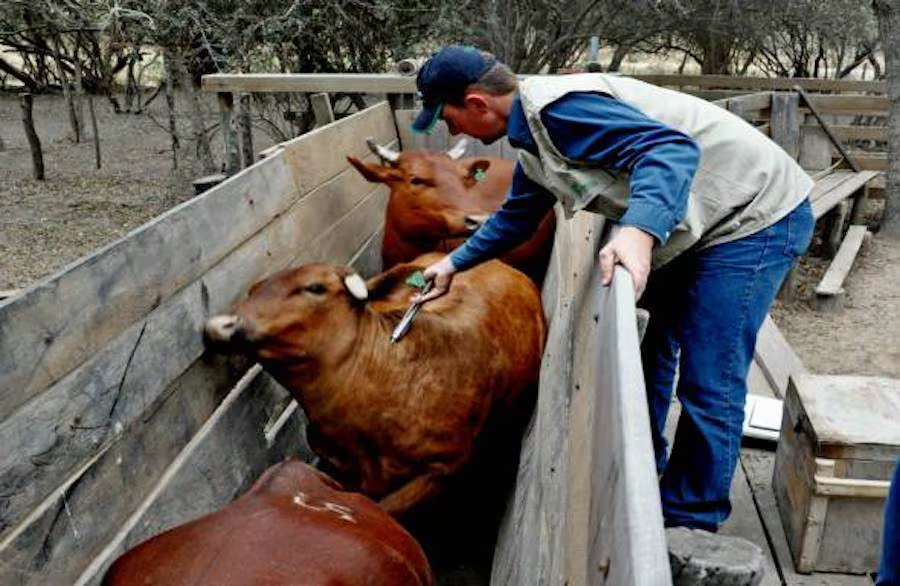
The vaccination program results from collaboration between Paraguay’s Official Veterinary Services and livestock producers, through a public-private partnership (PPP) model. This approach has achieved 100% coverage, ensuring that all cattle are protected against foot-and-mouth disease. The private sector plays a key role in logistics and vaccine administration under public sector supervision.
Lessons from the Past and Advances in Sanitary Control
Paraguay has faced foot-and-mouth disease outbreaks in the past, with a critical episode in 2012 that temporarily led to the loss of its sanitary status. However, since then, the country has reinforced its prevention and control strategies, implementing more efficient monitoring systems and detailed vaccination records. These improvements have helped restore international confidence in Paraguayan livestock production.
Economic Impact: Protecting the Export Market
One of the most significant benefits of foot-and-mouth disease vaccination is ensuring access to international markets. The livestock industry represents nearly 70% of Paraguay’s agricultural sector income, with meat exports reaching 92.5% of production in 2022, generating over $2 billion annually. Maintaining the foot-and-mouth disease-free status is essential for continued participation in key markets and enhancing the country’s competitiveness.
Social Benefits and Rural Development
Livestock farming not only drives the national economy but also provides employment for approximately 300,000 people, many in rural areas. Vaccination contributes to job stability and prevents sanitary crises that could affect meat production and trade.
A Continued Commitment to Animal Health
Maintaining the vaccination program minimizes outbreak risks and represents a cost-effective investment. Preventing foot-and-mouth disease reduces expenses associated with treatments, diagnostics, and commercial losses. Recent studies show that prevention through vaccination is far more economical than dealing with a disease outbreak.
A Key Strategy for the Future of the Livestock Sector
Foot-and-mouth disease vaccination in Paraguay not only protects livestock health but also strengthens the country’s economy. With a well-structured sanitary strategy and a strong commitment from both the public and private sectors, Paraguay continues to establish itself as a global leader in meat production and exportation.